Nocturnes, mazurkas, waltzes and the rest
Chopin for first-time listeners
The five forms behind most of a Chopin recital, with sourced facts and what to listen for, so the names a pianist announces mean something.
Book a seat in the salon ↗You do not need to know the pieces
Chopin's major piano works include mazurkas, waltzes, nocturnes and polonaises, according to Wikipedia, and it adds that his influences included Polish folk music. A pianist at a salon concert often names a piece before playing it. This guide gives you five forms to recognise, so the names are not a blur. Remember that the programme at the Chopin Salon varies by night, so nothing here is a promise of a particular piece, only a map of the territory.
The nocturne: a song for the right hand
Chopin wrote 21 nocturnes for solo piano between 1827 and 1846, building on the form developed by the Irish composer John Field, whom he greatly admired. Wikipedia describes a song-like melody in the right hand and a more freely flowing rhythm, and counts them among the finest short solo works for the instrument. The Op. 9 set was published in 1832 and dedicated to Madame Marie Pleyel. Its second nocturne, in E-flat major, opens with a legato melody played mostly quietly and is perhaps among the most popular.
The mazurka: a Polish dance, stylised
Chopin derived the mazurka from one of the traditional Polish dances, and he wrote at least 58 for piano between 1824 and 1849. Wikipedia calls them more self-contained, stylised dance pieces than the dances themselves, made more technically interesting by chromaticism and harmony. It says the most likely source of their Polish colour was the national music he heard as a young man in towns such as Warsaw, and it cautions against treating them as plain folk music. Listen for the dance underneath the stylised surface.
The waltz: not for dancing
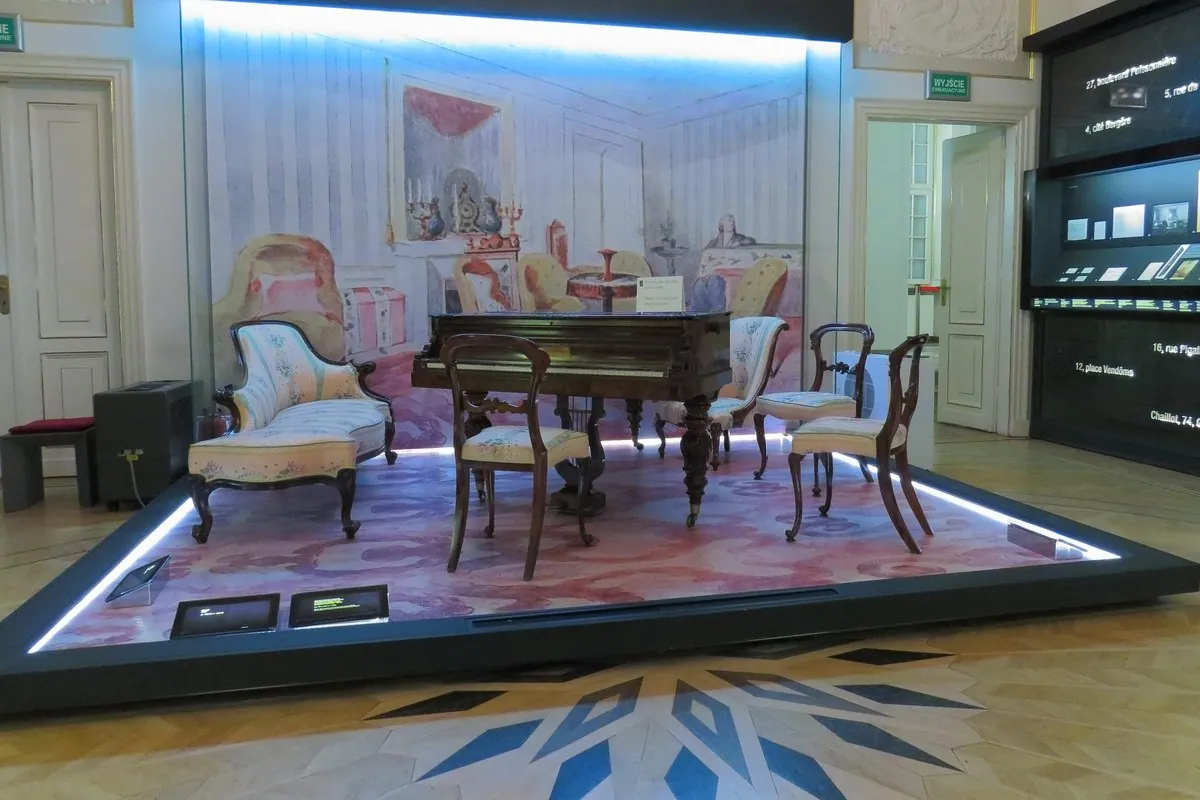
Chopin may have written as many as 35 waltzes, and only eight were published before he died. Wikipedia says they differ from earlier Viennese waltzes in not being intended for dancing. The Op. 64 No. 1, which Chopin titled Valse du petit chien, is popularly known as the Minute Waltz. For a listener the practical point is that a Chopin waltz is a concert piece rather than dance music, and that only a minority of them appeared in print during his life. Wikipedia numbers 19 of them, so the names and opus numbers you hear are a small part of a larger and partly unpublished body of work.
The polonaise: from age seven to the last
Chopin wrote at least 23 polonaises for solo piano. Wikipedia dates his first to 1817, when he was 7, and his last, the Polonaise-Fantaisie, to 1846, three years before his death. The Op. 40 No. 1 is known as the Military Polonaise and the Op. 53 as the Heroic or Drum Polonaise. Two of them carry nicknames in Wikipedia's table of works, and the Heroic is also called the Drum Polonaise. A pianist who names a polonaise in a salon is naming one of the pieces that spans his whole career, from childhood to the final years.
The étude: studies that became concert pieces
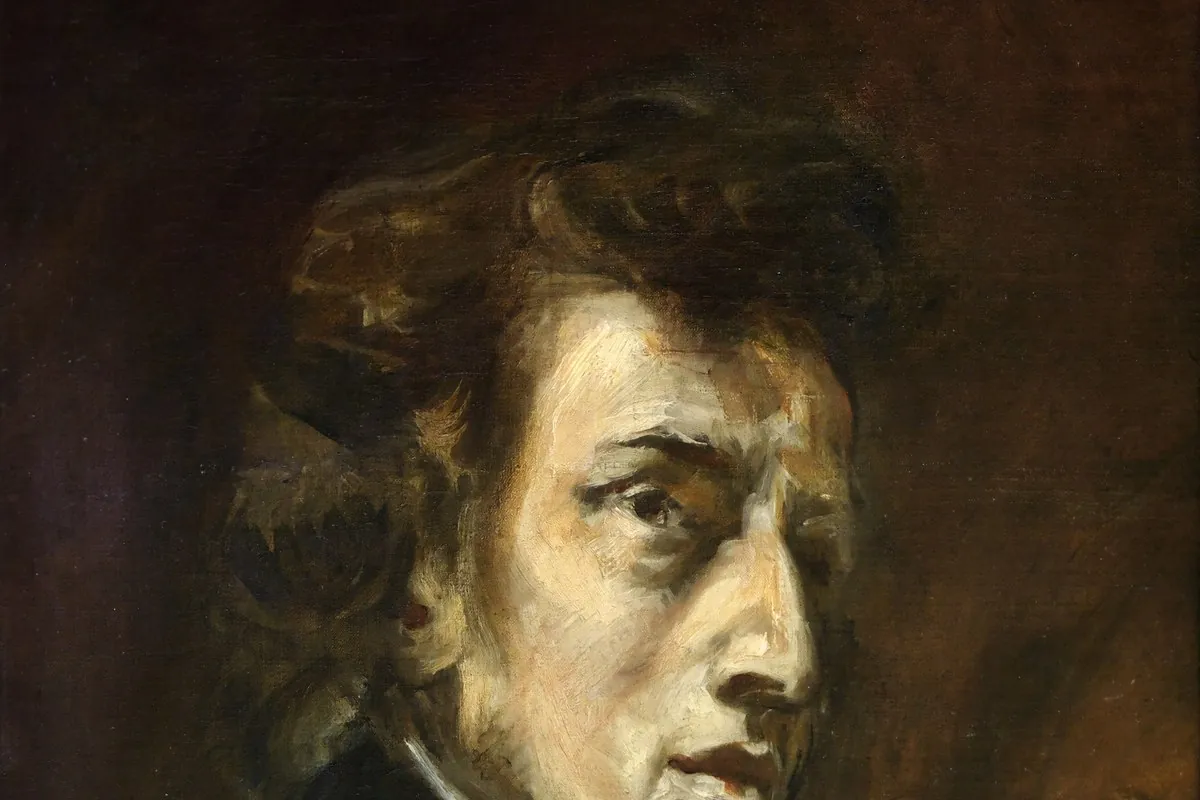
There are 27 études: two sets of 12, Op. 10 and Op. 25, and three more without an opus number. The Op. 10 set was written between 1829 and 1832 and published in 1833, and Chopin dedicated it to Franz Liszt. Wikipedia says they were the first studies to become a regular part of the concert repertoire, because they combine musical substance and technical challenge in a complete artistic form. A useful way to listen is to follow a single idea through the piece and notice how Chopin keeps returning to it.
How to listen in a small room
In a room for 42 guests you hear the piano without a hall between you and the instrument, so small details carry: a held pedal, a quiet ending, a pianist breathing before a phrase. Let the first piece settle you. If the pianist speaks between pieces, as guests describe, use those moments to place the next form. And do not worry about the opus numbers; the named forms above are enough to follow an evening.
Sources